What is Faraflow?
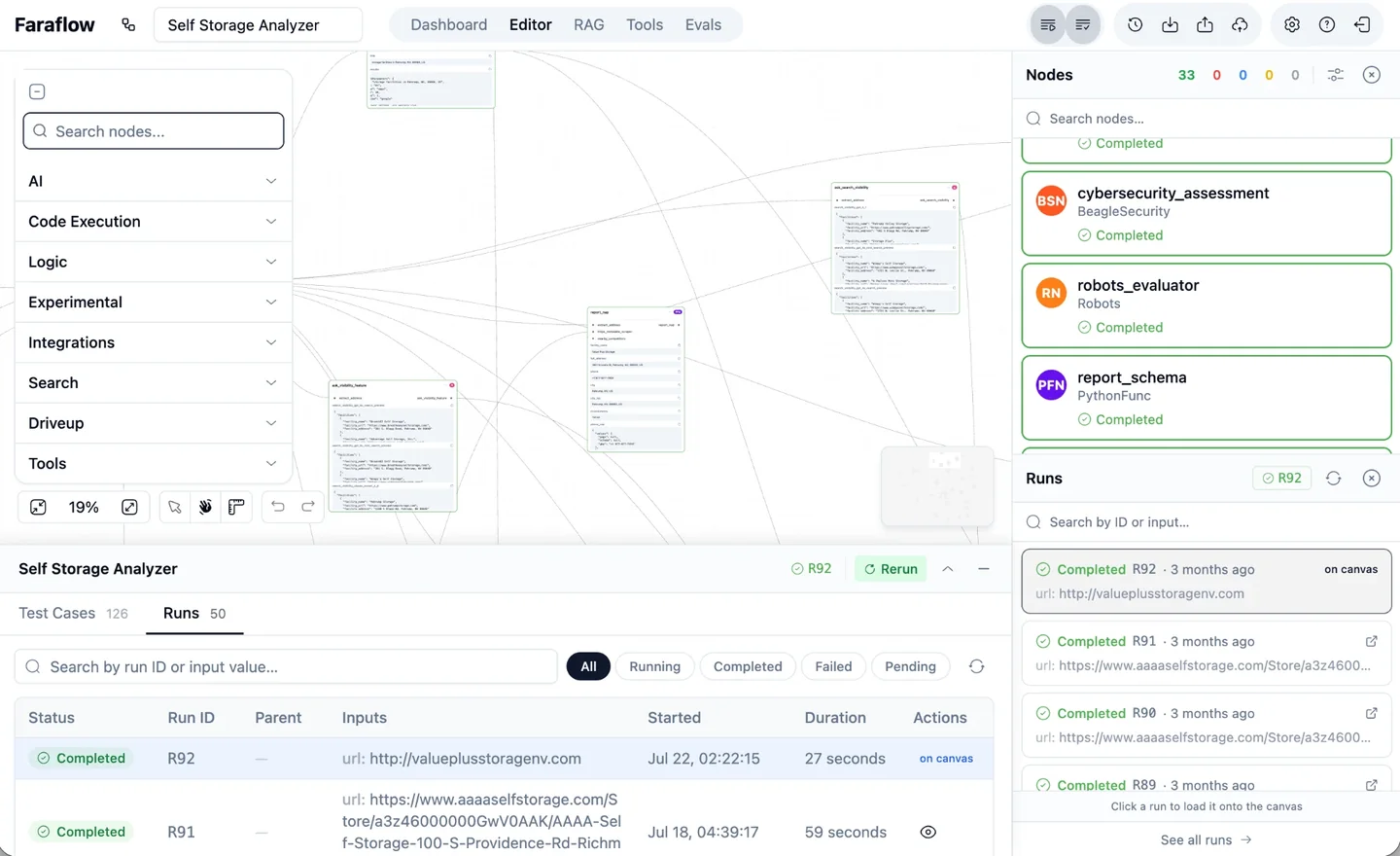
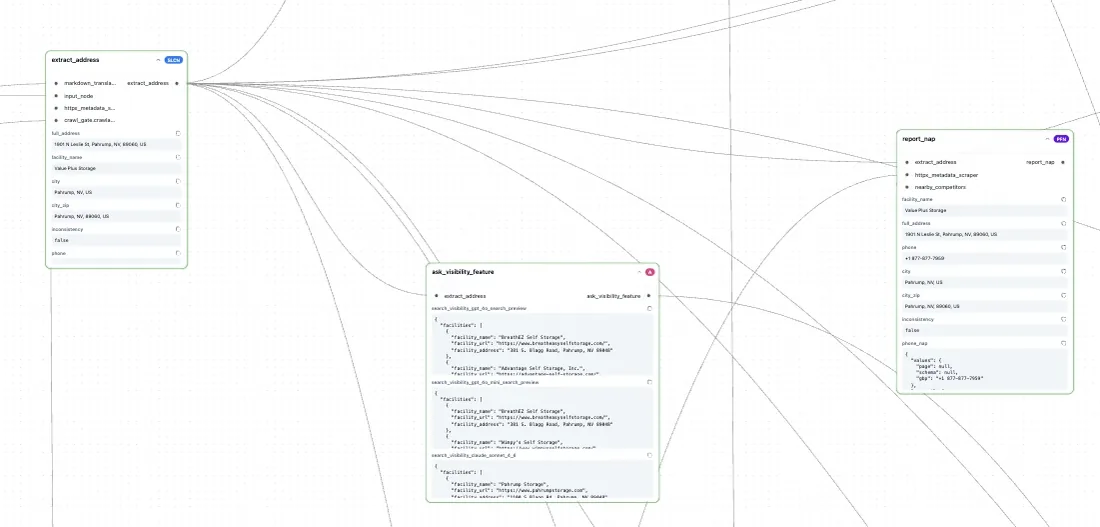
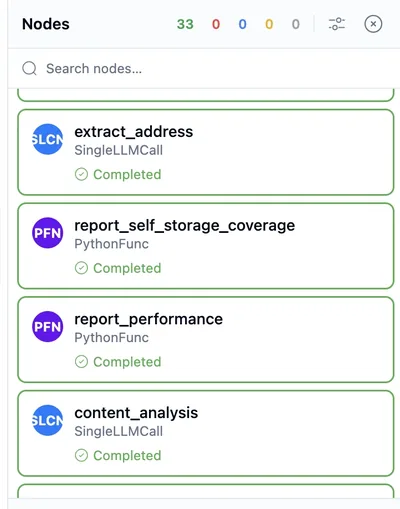
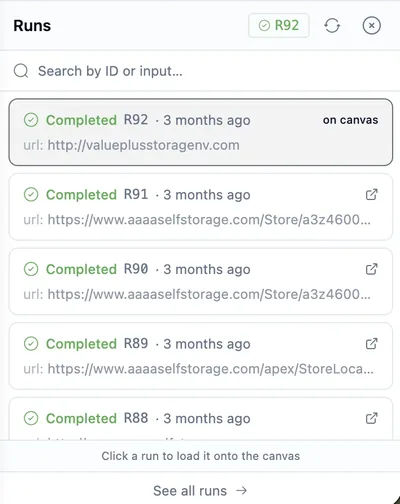
- Faraflow is a Fair Source platform for building AI agents and workflows, developed and supported by Alokin. You design a workflow visually in the studio, run it with the engine on your own infrastructure, and trace every step of every run.
Is Faraflow open source?
- Faraflow is Fair Source, a deliberate choice: the code is public, free to inspect, and free to run on your own infrastructure for your own use. No current feature needs a license key; enterprise features, when they arrive, will. It is licensed under the Fair Core License (FCL-Apache 2.0), which stops anyone offering Faraflow itself as a competing product or service. We want Faraflow to be sustainable to build and support. Every release becomes fully open source under Apache 2.0 two years after it is published. Faraflow grew out of the open-source PySpur project and has been heavily extended since. View the code on GitHub
Can consultants and agencies use Faraflow for their clients?
- Yes. Consultants and agencies can sell professional services and deploy Faraflow for their clients to run for their own use. You can also build your own products on top of it. What needs an agreement with Alokin is offering Faraflow itself, or a service that substitutes for it, to other customers as your own product.
Can I evaluate the enterprise features before committing?
- Yes. Nothing in Faraflow is locked behind a license key today. Enterprise features will live in the same public codebase as the rest of Faraflow, so anyone can read the code and see exactly what a license key unlocks. Only those features will need a key to run, which the Fair Core License protects; the majority of Faraflow remains available to everyone without one. That is the advantage of the Fair Core License: nothing has to be held back in a closed repository.
Can I run Faraflow on my own infrastructure?
- Yes. Faraflow runs on your own infrastructure, so you decide where your workflows run and where your data lives.
How is Faraflow different from an AI agent framework?
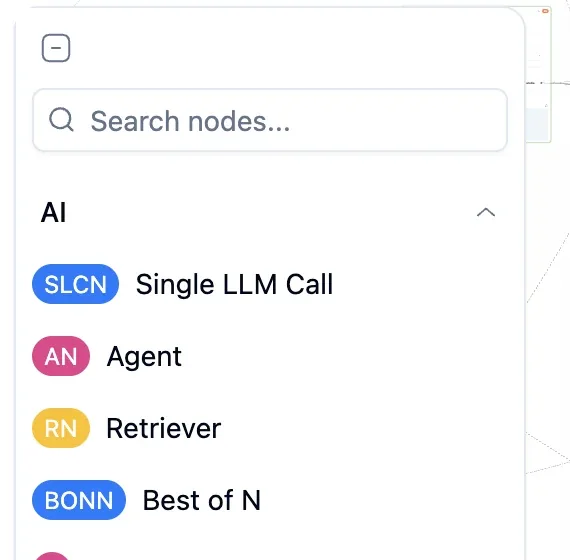
- An agent plans its work again on every run. In Faraflow the steps are decided once, a model is called only where a step needs one, and every run follows the same path. You can still use a free-form agent inside a step where the task is open-ended.
How is Faraflow different from libraries like LangChain or LangGraph?
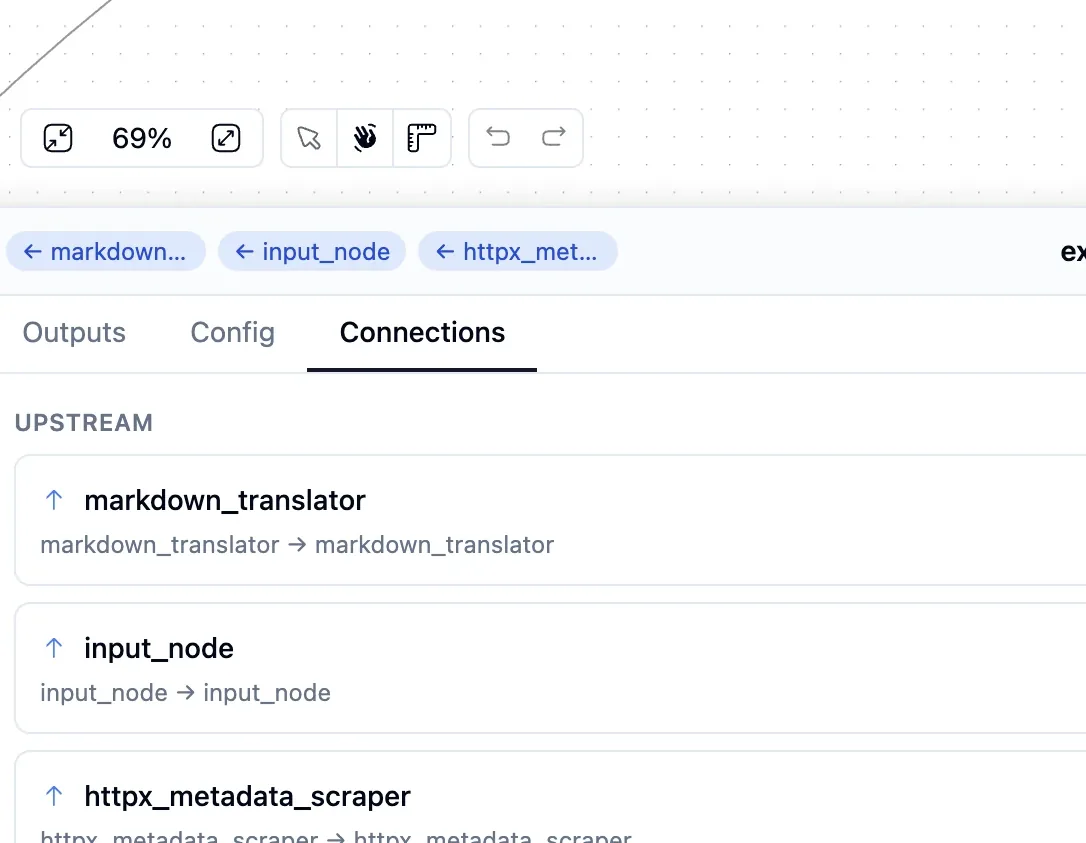
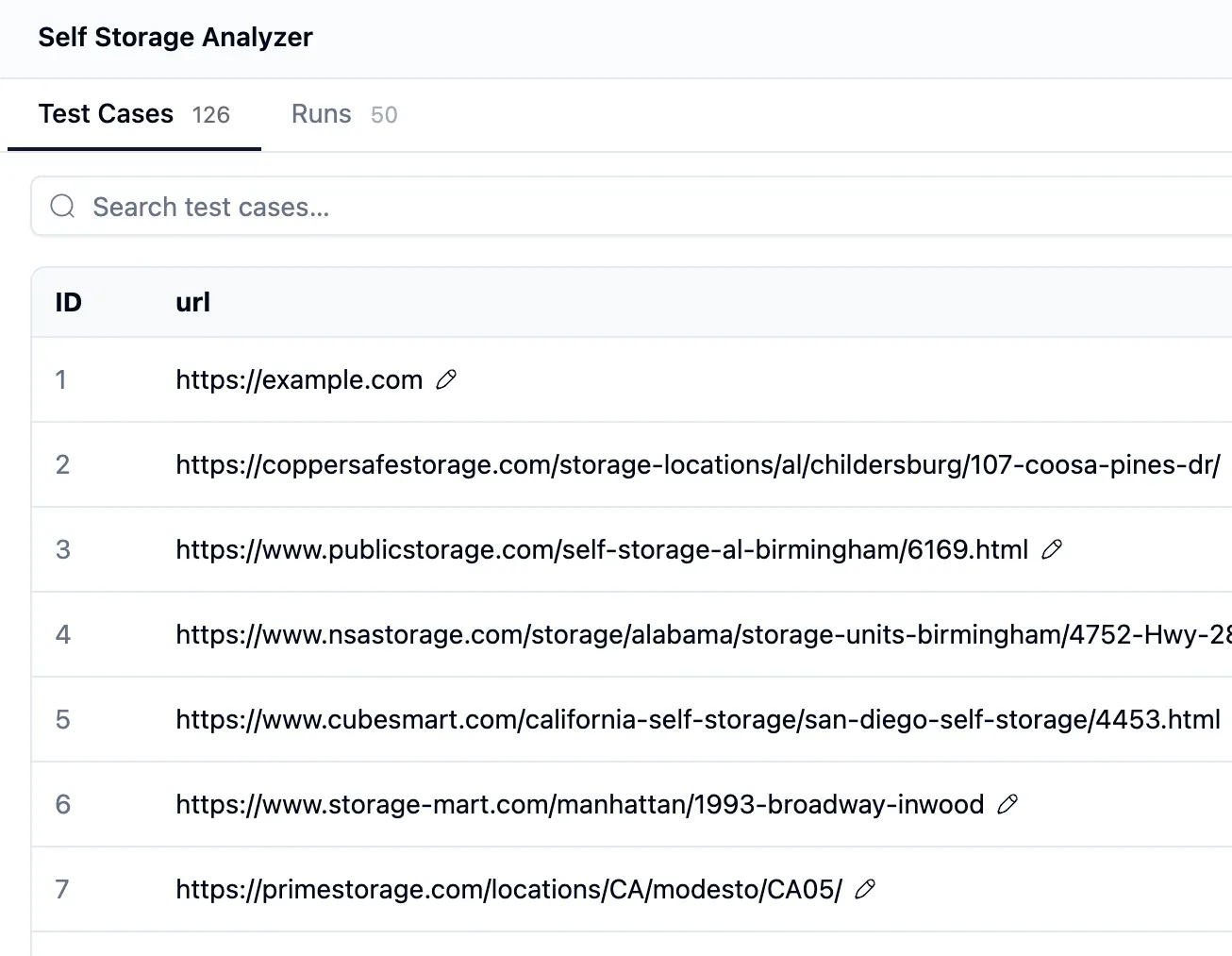
- LangChain and LangGraph are code libraries: they give developers building blocks for writing agents and graphs in Python or JavaScript. Faraflow is a complete studio and engine. You design the workflow visually, run it on your own infrastructure, and get run traces, test cases, retries and publishing as an API built in, so the whole team can see and change how a workflow works. Code nodes let developers add custom logic where they need it.
Which AI models does Faraflow work with?
- Faraflow connects to 100+ model providers, and you choose the model per step: a smaller, cheaper model for routine steps and a larger one where judgment matters.
Is Faraflow used in production?
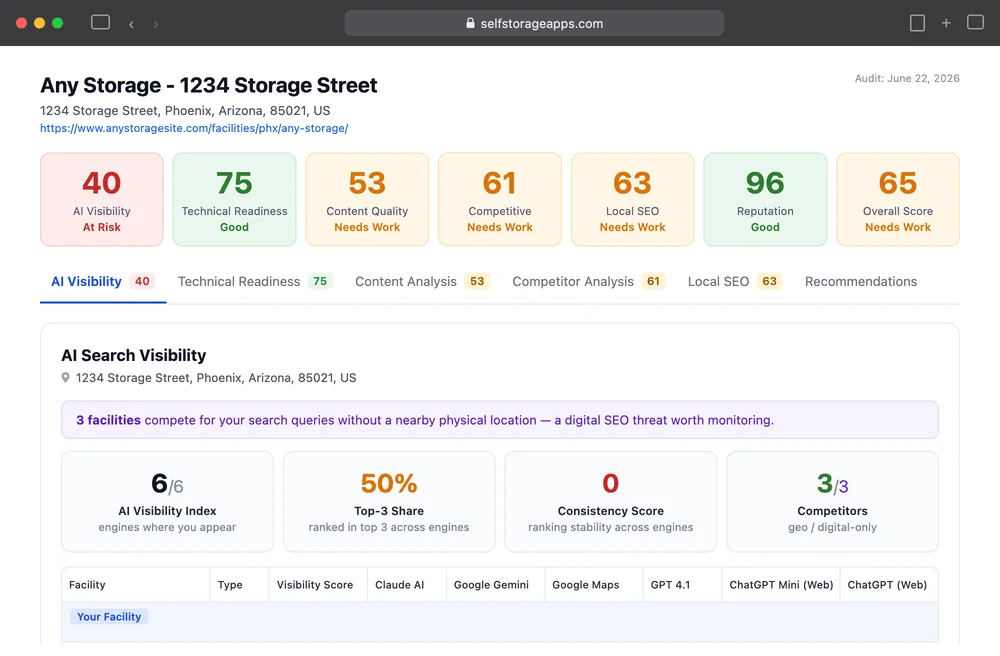
- Yes. DriveUp, an AI visibility analysis tool for self-storage operators, runs its report workflows on the Faraflow engine in production. There are no other named customers yet, and we use Faraflow ourselves.
Who builds and supports Faraflow?
- Alokin, a software consultancy delivering software since 2003. Alokin maintains Faraflow, offers commercial support, and can design and build workflows for your business.
What is Faraflow?
Faraflow is a Fair Source platform for building AI agents and workflows, developed and supported by Alokin. You design a workflow visually in the studio, run it with the engine on your own infrastructure, and trace every step of every run.
Is Faraflow open source?
Faraflow is Fair Source, a deliberate choice: the code is public, free to inspect, and free to run on your own infrastructure for your own use. No current feature needs a license key; enterprise features, when they arrive, will. It is licensed under the Fair Core License (FCL-Apache 2.0), which stops anyone offering Faraflow itself as a competing product or service. We want Faraflow to be sustainable to build and support. Every release becomes fully open source under Apache 2.0 two years after it is published. Faraflow grew out of the open-source PySpur project and has been heavily extended since. View the code on GitHub
Can consultants and agencies use Faraflow for their clients?
Yes. Consultants and agencies can sell professional services and deploy Faraflow for their clients to run for their own use. You can also build your own products on top of it. What needs an agreement with Alokin is offering Faraflow itself, or a service that substitutes for it, to other customers as your own product.
Can I evaluate the enterprise features before committing?
Yes. Nothing in Faraflow is locked behind a license key today. Enterprise features will live in the same public codebase as the rest of Faraflow, so anyone can read the code and see exactly what a license key unlocks. Only those features will need a key to run, which the Fair Core License protects; the majority of Faraflow remains available to everyone without one. That is the advantage of the Fair Core License: nothing has to be held back in a closed repository.
Can I run Faraflow on my own infrastructure?
Yes. Faraflow runs on your own infrastructure, so you decide where your workflows run and where your data lives.
How is Faraflow different from an AI agent framework?
An agent plans its work again on every run. In Faraflow the steps are decided once, a model is called only where a step needs one, and every run follows the same path. You can still use a free-form agent inside a step where the task is open-ended.
How is Faraflow different from libraries like LangChain or LangGraph?
LangChain and LangGraph are code libraries: they give developers building blocks for writing agents and graphs in Python or JavaScript. Faraflow is a complete studio and engine. You design the workflow visually, run it on your own infrastructure, and get run traces, test cases, retries and publishing as an API built in, so the whole team can see and change how a workflow works. Code nodes let developers add custom logic where they need it.
Which AI models does Faraflow work with?
Faraflow connects to 100+ model providers, and you choose the model per step: a smaller, cheaper model for routine steps and a larger one where judgment matters.
Is Faraflow used in production?
Yes. DriveUp, an AI visibility analysis tool for self-storage operators, runs its report workflows on the Faraflow engine in production. There are no other named customers yet, and we use Faraflow ourselves.
Who builds and supports Faraflow?
Alokin, a software consultancy delivering software since 2003. Alokin maintains Faraflow, offers commercial support, and can design and build workflows for your business.